This interview highlights the intersection of machine learning and social responsibility, demonstrating how engineers balance technical innovation with strict privacy and legal requirements in a high-scale, data-driven environment.
Shupin Mao is a senior software engineer at Facebook. During her last four years at the company, Shupin helped several teams and gained experience across Instagram and Facebook, including the Instagram Well-being team. Here she shares what got her into engineering, favorite moments, lessons learned, and more.
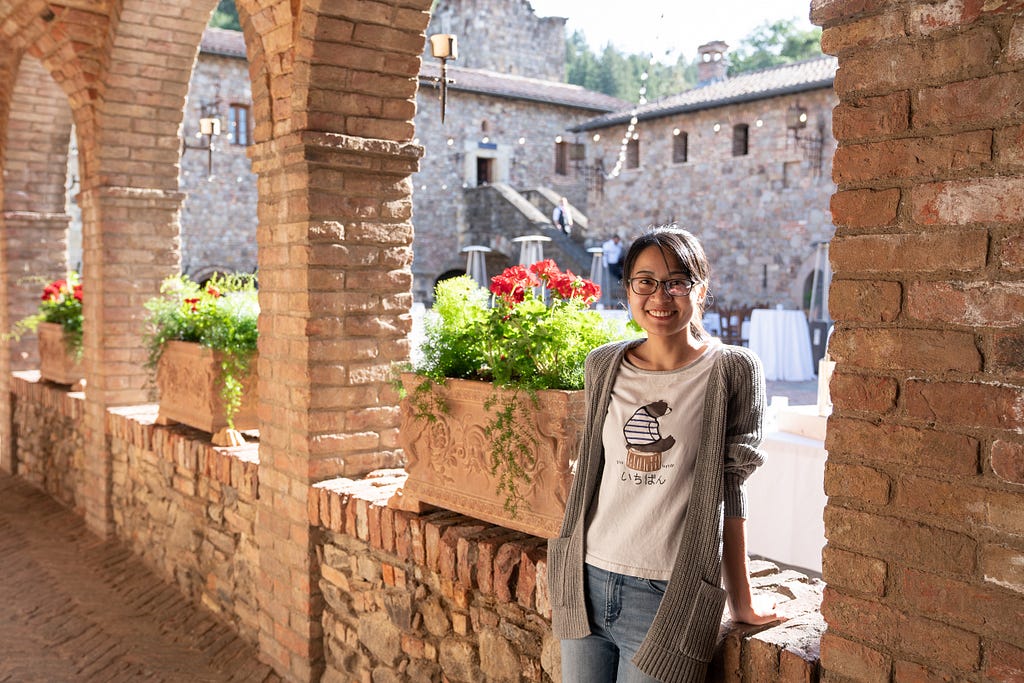
How did you become an engineer?
When working on course projects during my undergrad and grad study, I felt the passion for solving coding problems, which was the main motivation to apply for an engineering position after graduation. After joining Facebook, I was still motivated to solve practical problems every day and learn new skills/knowledge, which affirmed my career choice.
What was your first coding language?
C was my first coding language back to school days. Objective-C was my first coding language at my full-time work at Facebook.
What do you listen to while you work?
All kinds of piano songs which can help me keep focused. For example, Ghibli’s relaxing piano pieces are good.
What do you do when you get stuck on a problem?
I will usually take a short walk to the nearest snack kitchen and look for some snacks. I feel walking and eating can help me think better.
Tell us about your favorite project at Instagram?
What makes working at Instagram unique?
How would you describe the engineering culture at Instagram?
What makes you excited about coming into work every day?
Exciting projects and brilliant colleagues.
Your favorite place to eat in the city?
A lot of Chinese restaurants :)
What is your favorite thing to eat at the office?
Pocky in strawberry flavor
What’s your favorite Instagram account?
@kuviabear, I like following the sweet daily life of cute Kuvia!
Tell us about your happiest day at Instagram.
What is one of the best things you learned while working at Instagram?
I gained a lot of valuable experience in coordination and collaborations across teams/roles in Instagram. I would say Instagram may provide the best example on how engineers and cross-function team members, such as product, legal, privacy expert, work together among the whole company. And my team has many cross team partners, most of them are located remotely. The projects I worked on provided me a lot of great opportunities to learn how to work with different teams and people closely and smoothly.
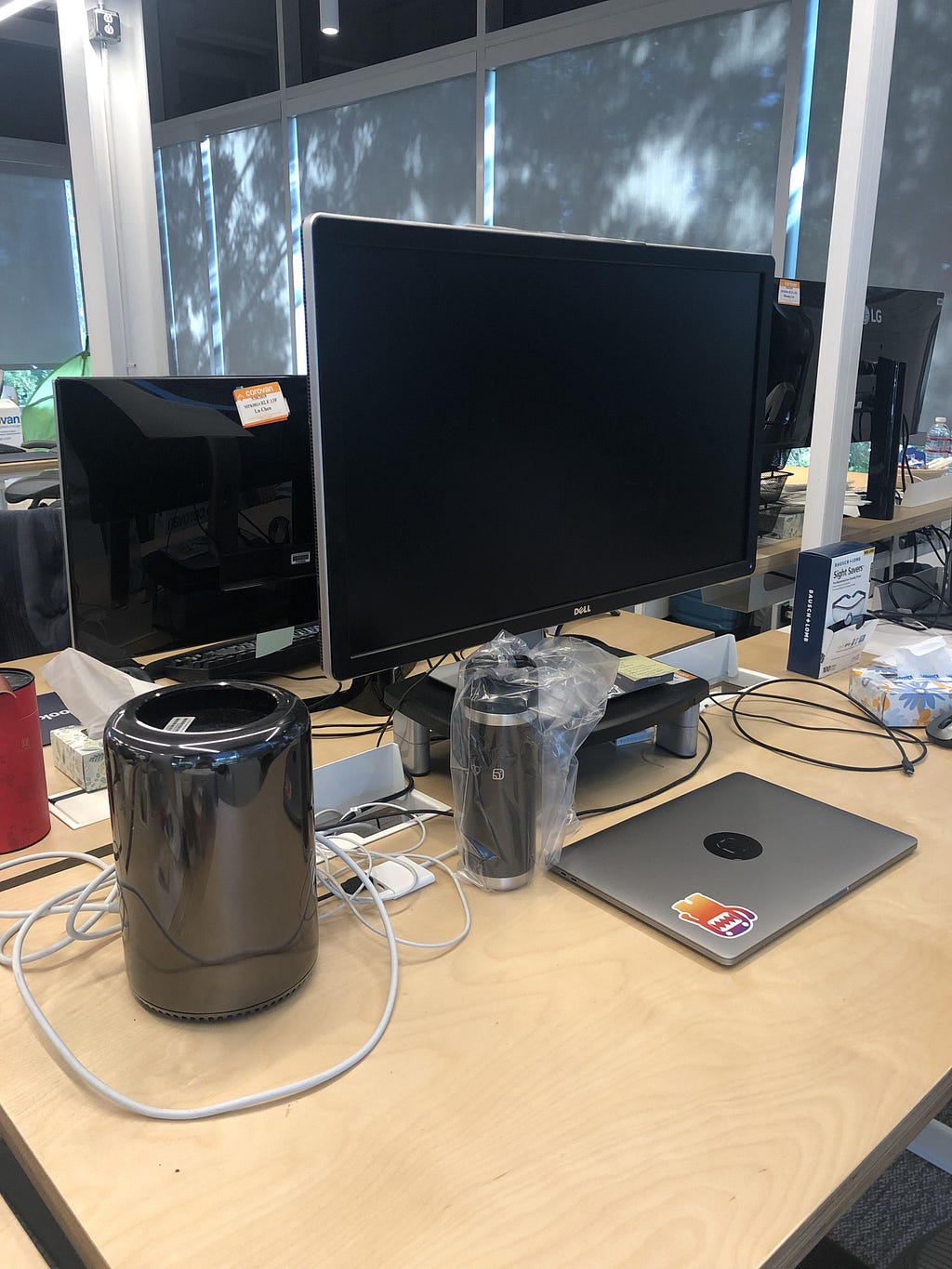
What does your desk setup look like?
One monitor and one Apple Mac Pro (I got it for iOS development and I probably should return it now 😂).
What was your favorite offsite?
Well-being Team Offsite at Clay By The Bay. We had a great day on learning and practicing working with clay. And my favorite part was that we received our “work” as the outcome :P.

If you want to learn more about this work or are interested joining one of our engineering teams, please visit our careers page, follow us on Facebook or on Twitter.
10 Questions with Shupin Mao, Well-being tech lead was originally published in Instagram Engineering on Medium, where people are continuing the conversation by highlighting and responding to this story.
Continue reading on the original blog to support the author
Read full articleThis migration consolidates technical insights into a single platform, making it easier for engineers to access Instagram's architectural and scaling case studies alongside other Meta technologies while promising more frequent updates.
Managing content quality at scale requires balancing real-time signals with static analysis. This approach shows how to operationalize quality metrics and use multi-stage ML pipelines to protect users while maintaining high-performance recommendation systems.
Engineers must balance performance and resource consumption. This case study shows how optimizing data usage through prefetching and resolution controls can improve user engagement and retention in data-constrained markets, proving that efficiency and growth can go hand-in-hand.
This article provides a blueprint for building massive-scale recommendation engines. It demonstrates how custom DSLs and multi-stage filtering balance high-velocity experimentation with the extreme computational efficiency required to serve millions of users in real-time.
